Growing vegetables is often described as a way to save money on food. It can be — but a first season kitted out with raised beds, propagators, specialist composts and a full set of tools can cost more than several years of buying the same vegetables. The saving comes from starting modestly and expanding only into what works.
What you genuinely need
Somewhere to grow, something to grow in, seeds, water, and light. That is the complete list.
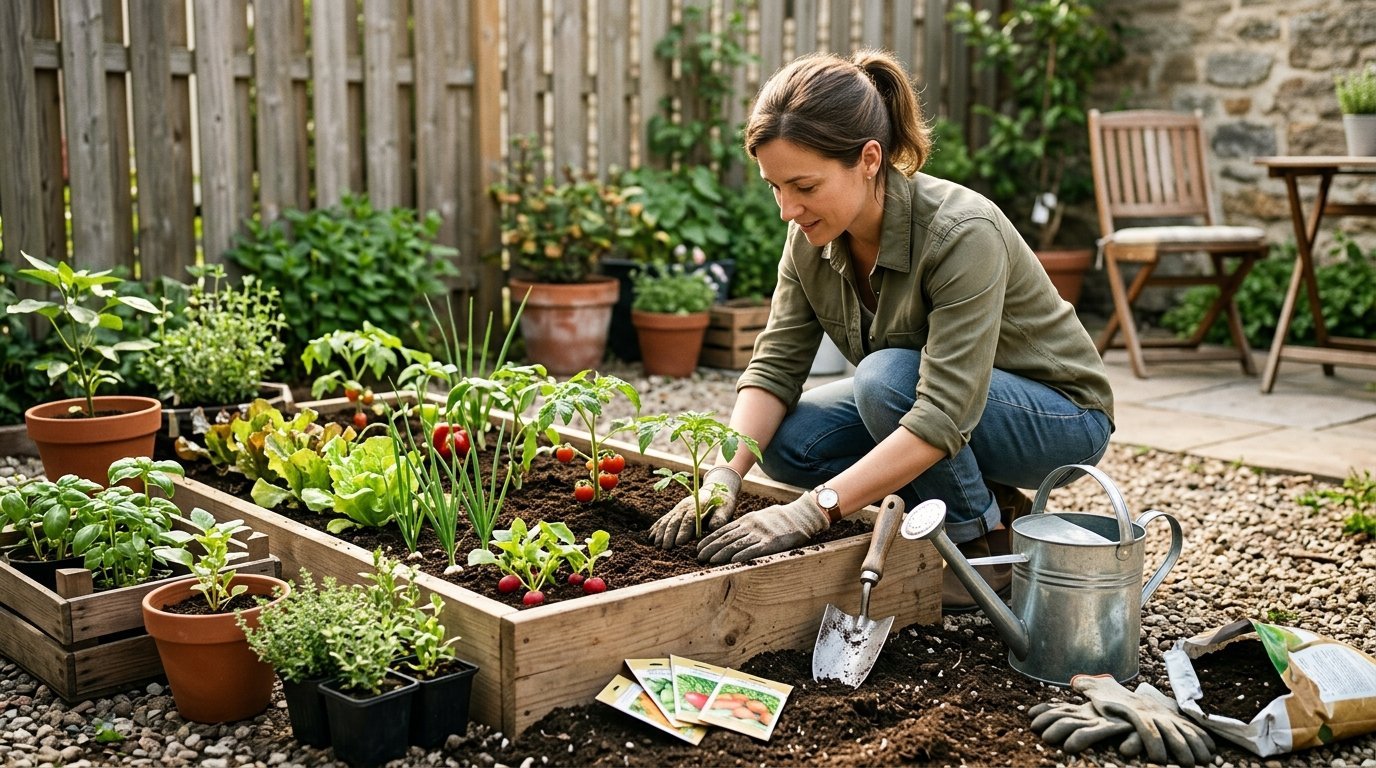
Containers. Almost anything that holds soil and drains will grow vegetables. Buckets with holes drilled in the bottom, old storage boxes, reclaimed timber, builders' bags. Purpose-made planters look better and cost considerably more. If you want raised beds, untreated scaffold boards or reclaimed timber are far cheaper than kits.
Compost. This is where the money actually goes in the first year, and it is worth buying decent multipurpose compost rather than the cheapest available, which is often poor and full of large woody pieces. Buy in bulk if you can — large bags or a delivered bulk bag work out substantially cheaper per litre than small bags.
Seeds. Very cheap relative to plants, and a packet contains far more than one household needs. Splitting packets with neighbours or a local growing group is the obvious move, and seed swaps are common and free.
Tools. A trowel, a fork, something to water with, and a pair of secateurs will cover the first year or two. Second-hand tools are widely available and old ones are frequently better made than new budget equivalents. Check for a solid connection between handle and head.
What to skip in year one
- A greenhouse. Significant expense before you know whether you will keep this up. A sunny windowsill starts seeds perfectly well.
- Heated propagators and grow lights. Useful for serious early sowing, unnecessary for a first season.
- Specialist composts for every crop. Multipurpose covers nearly everything at this stage.
- Elaborate irrigation. A watering can is fine for a small plot. Automate later if the plot justifies it.
- Large numbers of bought plants. Plug plants are convenient and many times the cost of seed. Use them for the few things that are genuinely hard from seed.
Which crops actually save money
The economics vary enormously by crop. The ones that repay effort are typically those that are expensive to buy, deteriorate fast after harvest, or crop repeatedly from one plant.
Worth growing: salad leaves, which are expensive, quick and can be cut repeatedly; herbs, which are absurdly expensive in supermarket packets and mostly perennial; courgettes, which produce prolifically from very few plants; runner and climbing beans, which crop heavily in a small footprint; tomatoes, which taste noticeably better home-grown; chard and kale, which crop over months.
Less worth it for saving money: maincrop potatoes, onions and carrots, all cheap to buy and space-hungry to grow. Sweetcorn, which needs a block of plants for a modest return. Anything needing a long season and a lot of space for one harvest.
That said, if you enjoy growing something, that is a perfectly good reason regardless of the arithmetic.
Free inputs
Compost your own waste. A simple bin made from pallets costs nothing and turns kitchen and garden waste into the thing you would otherwise buy. It takes months, so start now for next year.
Save seed from open-pollinated varieties. Beans, peas, tomatoes and lettuce are straightforward. Hybrid varieties will not come true, so check the packet.
Take cuttings and divide plants. Many herbs propagate easily from cuttings — one rosemary plant can become several.
Local sources. Community gardens, allotment societies and online local groups routinely give away surplus seedlings, and many councils sell compost cheaply. Coffee shops sometimes give away used grounds, and stables often have free manure, though it needs to be well rotted before use.
Start smaller than you want to
The most common way a first year fails is scale. A large plot planted enthusiastically in April becomes overwhelming by July, and an abandoned plot produces nothing at all.
A few containers or one small bed, well tended, produces more food than a large plot that gets away from you. It also tells you what grows well in your particular conditions, which is information no book can give you.
Expect a first year that does not pay
Compost, containers and tools are largely one-off costs. The first season carries them all, and the saving appears in later years when the infrastructure is already there and you are buying only seed and a top-up of compost.
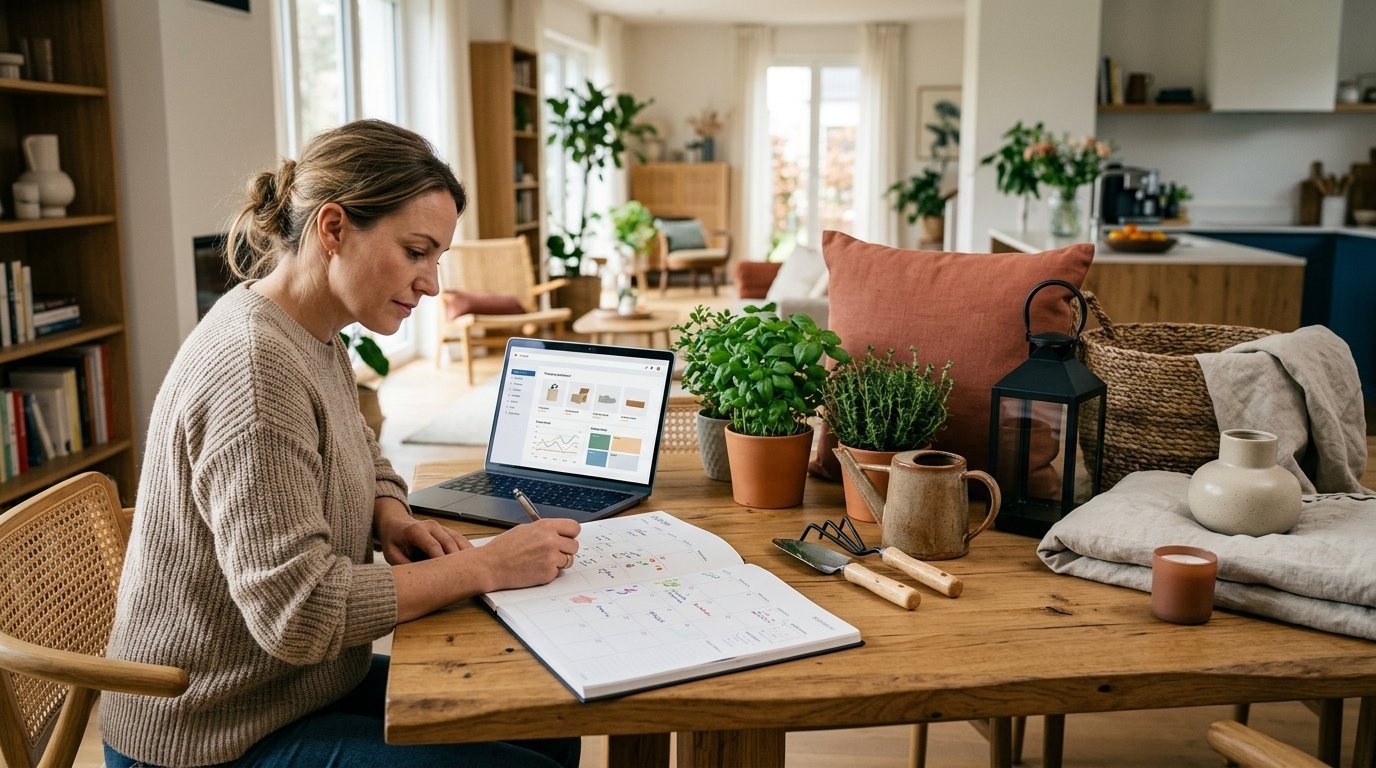
Judge the venture over three years rather than one. And keep a note of what did well and what failed — that record is the most valuable thing produced in a first season.