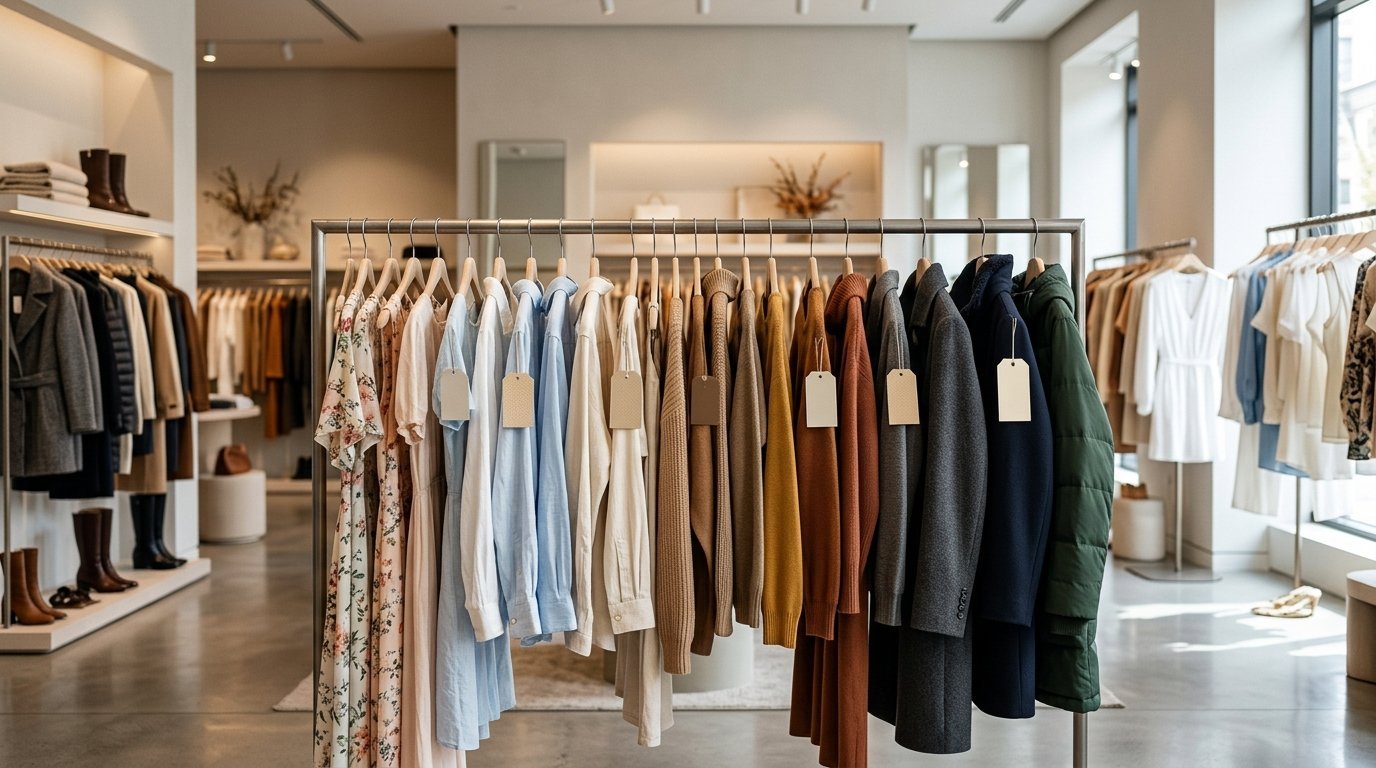
Open almost any wardrobe and you will find the same pattern: a handful of items in heavy rotation, and a much larger group that gets worn once or twice a year. The expensive mistake is not buying cheap clothes. It is buying clothes that never make it into the rotation.
Start by finding out what you actually wear
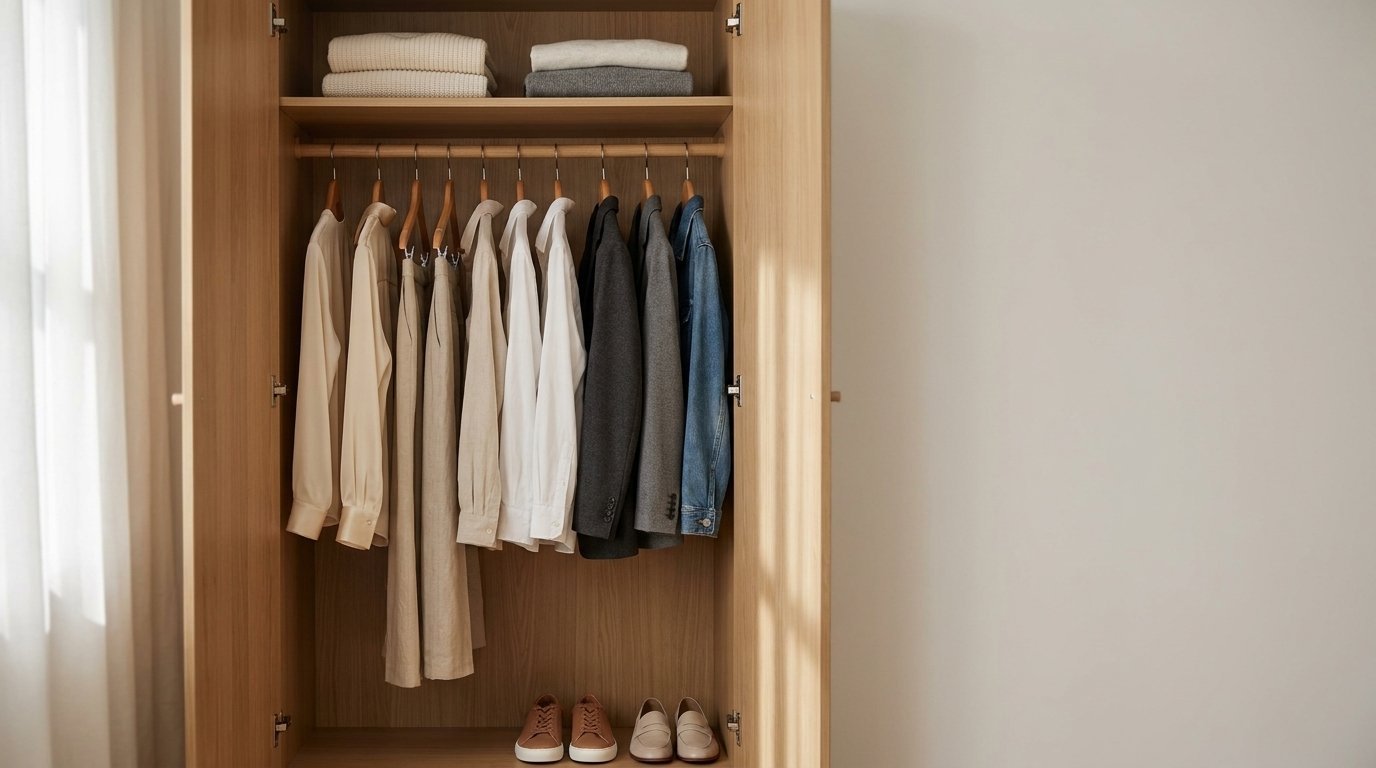
Before you buy anything else, spend a month collecting evidence. Turn every hanger in your wardrobe to face the same direction. When you wear something and put it back, turn that hanger the other way. After four weeks, the hangers that never turned are your answer.
For folded items, use a box. Anything you wear goes back in the drawer; everything else stays in the box. It is the same idea and it is just as unflattering.
This works better than trying to remember, because memory flatters us. We recall the outfit we loved wearing to one event, not the fourteen mornings we reached past it.
Sort what is left into three groups
Once you know what you wear, look at what you do not, and be honest about why:
- It does not fit. Not "does not fit yet" — does not fit. Either alter it now or let it go.
- It fits but you avoid it. Usually the fabric is uncomfortable, it creases badly, or it needs ironing you never do. These are the honest mistakes. Note what they have in common.
- It fits and you like it, but it goes with nothing. This is the most fixable group. One or two additions can bring several stranded items back into use.
That third group is where your next purchase should come from, and it is the reason a small, targeted buy often improves a wardrobe more than a big seasonal haul.
Write the list before you shop, not in the shop
A wardrobe gap list is short and specific. Not "more tops" but "a mid-weight jumper in a colour that works with the grey trousers and the navy skirt." Specific lists survive contact with a sale rail. Vague ones do not.
Keep the list on your phone. The point is not organisation for its own sake — it is that a discount only saves money when it applies to something you were going to buy anyway.
Judge fabric before you judge the price
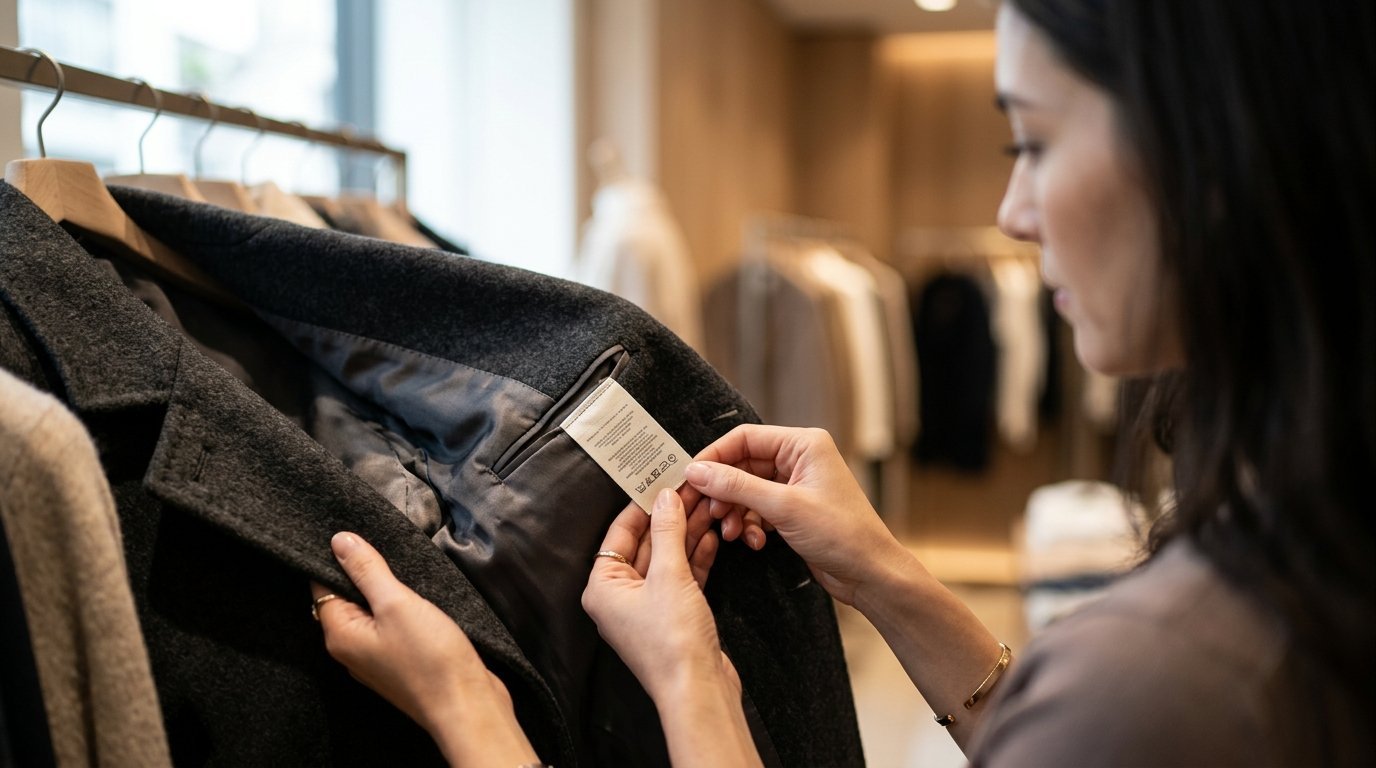
Two garments at the same price can have very different lifespans, and the label tells you a lot. Natural fibres such as cotton, wool and linen generally breathe better and age more gracefully. Synthetics such as polyester and nylon resist creasing and dry quickly, which genuinely suits some uses — sportswear, rain layers, travel clothes.
Blends sit in between, and the ratio matters. A wool jumper with a small share of nylon is often more durable than pure wool at the same weight. A cotton shirt with a little elastane keeps its shape better. But a garment that is mostly synthetic with a token percentage of cotton is being sold on the word "cotton" rather than the fabric.
Then check the construction. Turn the garment inside out. Seams should be neat and fully finished, patterns should line up where panels meet, and buttons should be sewn on tightly with a spare included. None of this is hidden — it just needs thirty seconds of attention.
Buy for the life you have
The clothes that go unworn are often bought for an imagined version of our week: the formal events we rarely attend, the gym schedule we intend to keep, the holiday climate we visit for ten days a year. There is nothing wrong with owning clothes for occasions, but they should be a small, deliberate section of the wardrobe rather than an accident.
A rough guide: if you cannot name three occasions in the next six months where you would wear it, treat it as an occasion purchase and price it accordingly.
Where discounts genuinely help
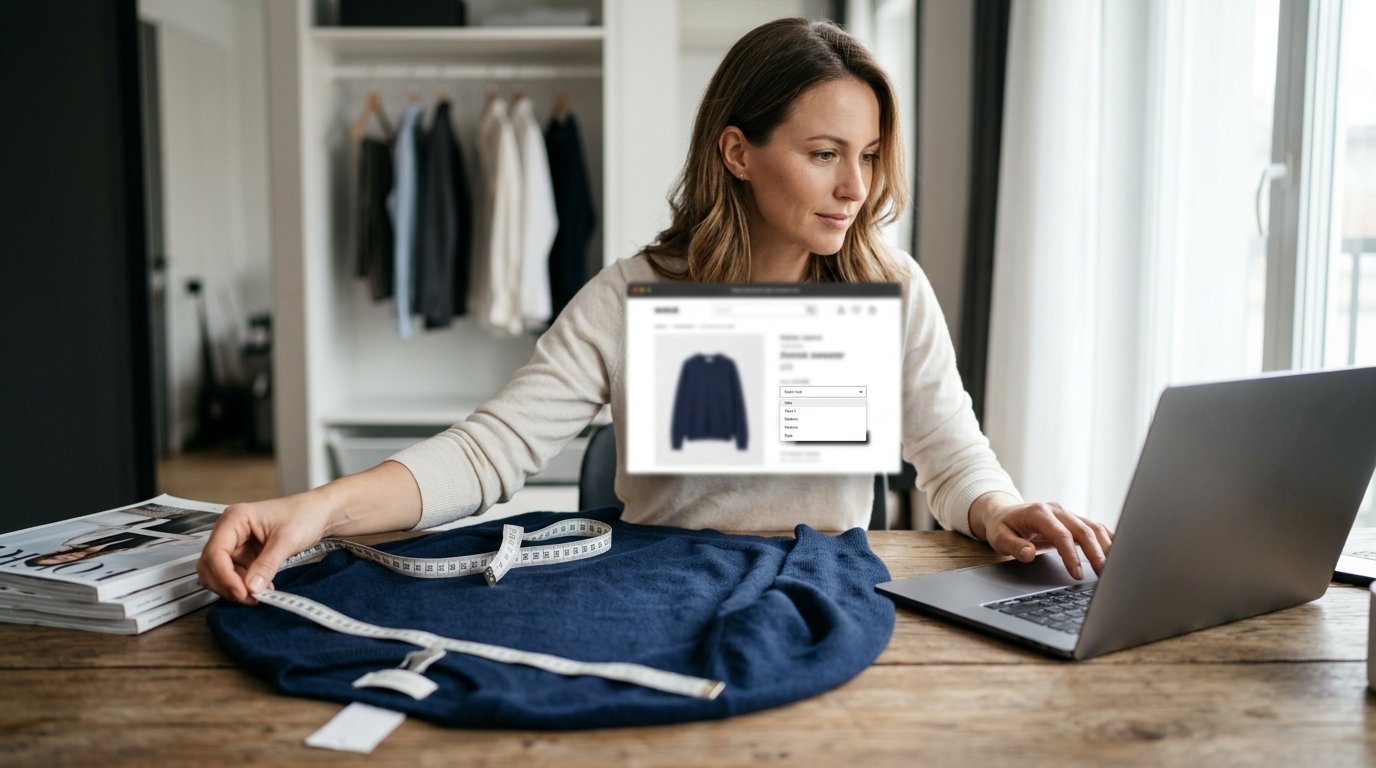
Once you have a specific list, sales become useful rather than distracting. You know what you are looking for, so you can wait for it. Basics that you already know suit you are the safest thing to buy on discount, because the fit risk is gone — you are replacing a known quantity.
The riskiest discount purchase is a style you have never worn before, in a sale with a restricted return window. That combination is how unworn clothes enter a wardrobe in the first place.
Keep what you buy wearable
Washing at lower temperatures, turning printed items inside out, and air-drying knitwear rather than tumbling it all extend the life of clothes at no cost. Most wear happens in the machine, not on your body. A garment that survives three years instead of one has effectively cost you a third as much, which no coupon can match.