
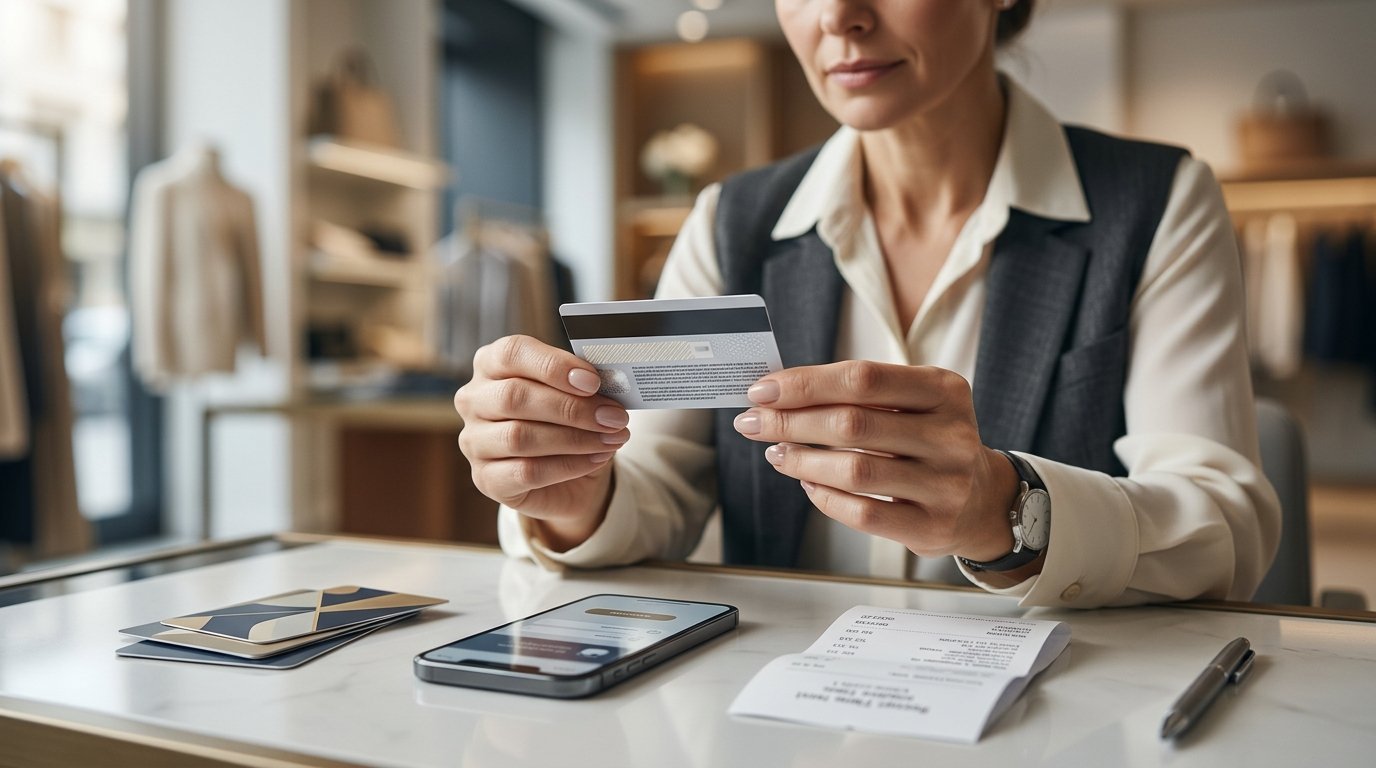
Gift cards get a poor reputation as the lazy option, which is unfair — they are often exactly what someone wants, particularly for a shop they love or a purchase they are saving towards. But they come with terms that other gifts do not, and those terms occasionally cost the recipient real money.
Expiry
Rules vary widely by country, and in several places consumer law now sets a minimum validity period. Elsewhere, expiry is set by the issuer and can be relatively short.
Check the expiry before buying, and tell the recipient. An expired card is worse than no gift, because it comes with the small indignity of having been given something and then losing it. Where the card has a long or no expiry, that is worth saying too, since it removes the pressure to spend it quickly on something they do not want.
Fees
Store-specific cards rarely carry fees. General-purpose prepaid cards branded with a payment network frequently do:
- A purchase or activation fee, meaning you pay more than the face value.
- Dormancy or maintenance fees that reduce the balance if the card is not used within a period.
- Fees for checking the balance by certain methods.
- Foreign transaction fees if used abroad or on an overseas website.
The flexibility of a card that works anywhere is genuinely useful, but it is not free, and a card that quietly loses value while sitting in a drawer is a poor gift.
Where the card can actually be used
Read this carefully, because it is not always obvious:
- Online only, in store only, or both?
- Valid across a whole group of brands, or one chain only?
- Valid in franchised locations? Some franchise stores do not accept the parent brand's cards.
- Usable on sale items and against delivery charges?
- Can it be combined with discount codes, or does using it block other offers?
- What happens to any remaining balance — does the card retain it, and can the recipient top it up?
For restaurant and experience cards in particular, check whether there are blackout dates or excluded locations.
Retailer risk
This is the underappreciated one. If a retailer enters insolvency, gift cards frequently become near-worthless — holders are typically unsecured creditors, well behind everyone else in the queue. Some administrators honour cards partially or for a limited window; many do not.
The practical implications: be cautious about large-value cards for a single retailer, be more cautious if the business is visibly struggling, and encourage prompt use rather than saving the card indefinitely.
Scams to be aware of
Gift cards are the payment method of choice for fraud, because they are effectively untraceable once the code is used. Two things are worth knowing:
No legitimate organisation asks to be paid in gift cards. Not a tax authority, not the police, not a utility company, not a computer support service. Any request to settle a debt or fine with gift card codes is a scam, without exception. This is worth mentioning to older relatives, who are targeted disproportionately.
Card tampering in shops. Cards on open display racks are sometimes recorded by fraudsters who then drain the balance once it is activated. Buy from behind the counter where possible, check the packaging is intact and the PIN covering is unscratched, and keep the receipt.
Keeping the receipt matters
Many issuers can trace and replace a lost or stolen card only with proof of purchase and the card number. Photograph both the receipt and the card, and send the images to the recipient. This is the difference between an inconvenience and a total loss.
Making a gift card feel considered
The complaint about gift cards is that they feel impersonal. That is usually about presentation rather than the card itself.
- Choose a shop that means something — where they already shop, or one connected to a hobby.
- Say what it is for. "Towards the bike you have been talking about" converts a card into a contribution to something specific.
- Pair it with a small physical item. A book token with a book you loved, a coffee shop card with a bag of beans.
- Write a proper note. As with any gift, this is the part that carries the meaning.
Buying them at a discount
Retailers sometimes sell their own cards at a discount during promotional periods, and some supermarkets run multi-brand card offers. If you know you will use it, that is a straightforward saving.
Third-party sites reselling unwanted cards at below face value exist, but carry more risk — a card may have been used before you receive it, and recourse is limited. If you use one, prefer sellers offering a balance guarantee, and spend the card promptly.